
Artificial intelligence has transformed the way digital art is created. With modern AI image models, creators can generate complex visuals from simple prompts. However, one persistent challenge in AI art generation has been maintaining character consistency across multiple images.
Many earlier generative models could produce impressive individual images but struggled to keep the same character identity when generating a sequence of visuals. For artists, storytellers, and designers working on narrative-driven projects, this limitation made it difficult to use AI tools for continuous storytelling.
Nano Banana 2, powered by the GEMPIX2 architecture, introduces a new approach to solving this problem. By focusing on identity persistence and visual continuity, Nano Banana 2 allows creators to generate consistent characters across multiple scenes, poses, and environments. This advancement opens new possibilities for AI storytelling, character design, and digital art production.
In this guide, we explore how Nano Banana 2 improves character consistency in AI art and how creators can integrate this technology into their creative workflows.
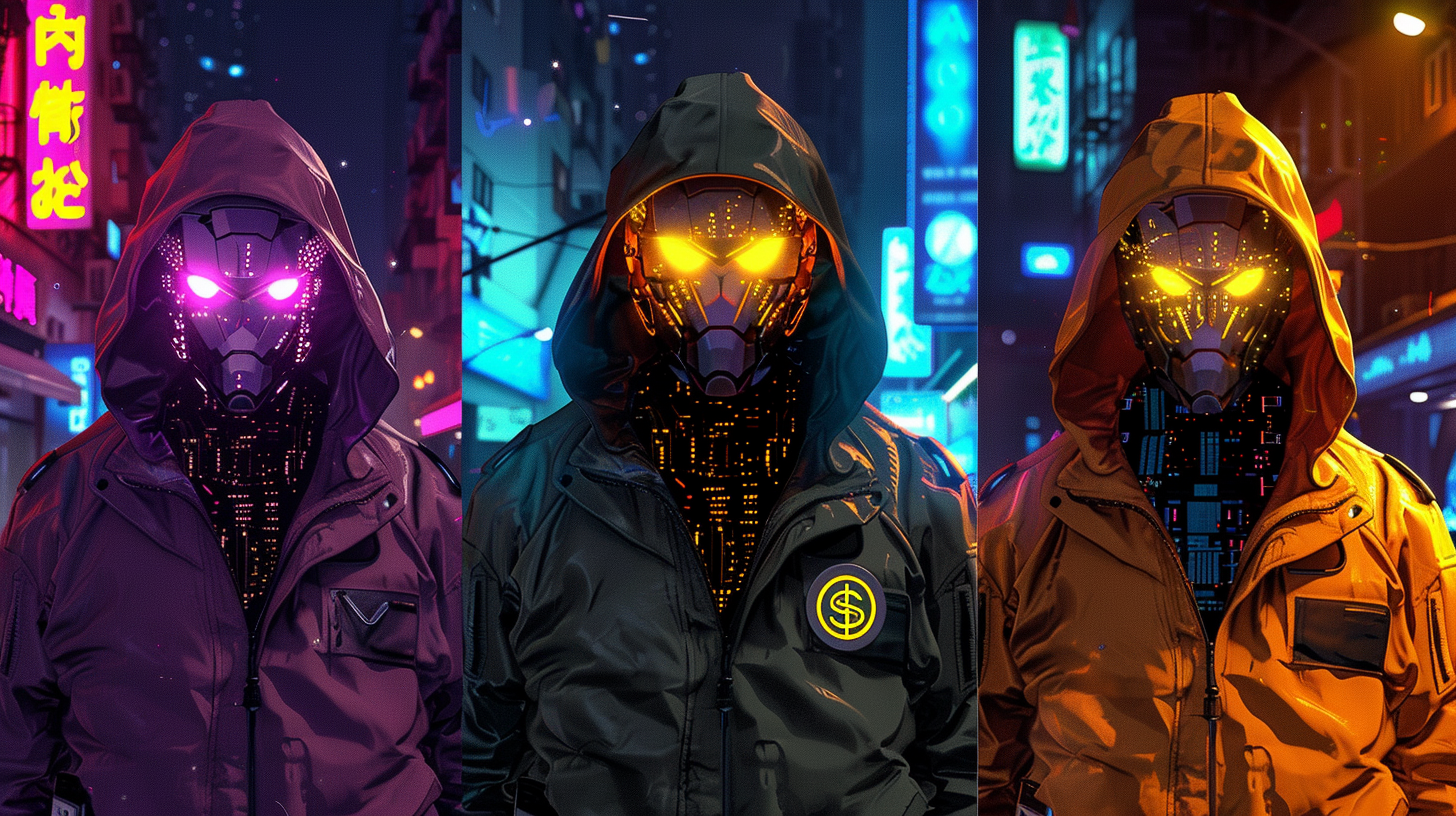
What Is Nano Banana 2 (GEMPIX2)
Nano Banana 2 is an advanced AI image model designed to generate high-quality visuals while maintaining stable character identity across multiple images. The system builds on previous generative technologies but introduces new mechanisms for preserving facial features, body proportions, and stylistic traits.
At the core of this system is GEMPIX2, a technology designed to manage visual identity across generated images. Instead of treating each generated image as an isolated output, the model tracks visual attributes and ensures that key character features remain consistent throughout the generation process.
This approach enables Nano Banana 2 to support creative tasks that require repeated character appearances, such as storytelling, animation concepts, and comic design.
Platforms like aireiter are exploring how models like Nano Banana 2 can be integrated into creative ecosystems where AI-generated characters are used across multiple visual formats.
The Problem of Character Consistency in AI Art
Before models like Nano Banana 2, maintaining character consistency was one of the most difficult problems in AI art generation.
Traditional diffusion-based models typically generate each image independently. Even when the same prompt is used, subtle variations in facial structure, hair, clothing, or proportions can appear. As a result, characters generated across multiple images often look like entirely different people.
For creators working on visual storytelling projects, this lack of consistency creates significant challenges. A character that appears in one scene might look completely different in the next.
This issue becomes particularly problematic in projects such as:
- illustrated stories
- comics and graphic novels
- animated storyboards
- game concept art
- character-driven marketing visuals
Without reliable character persistence, creators must manually edit images or rely on external tools to maintain visual continuity.
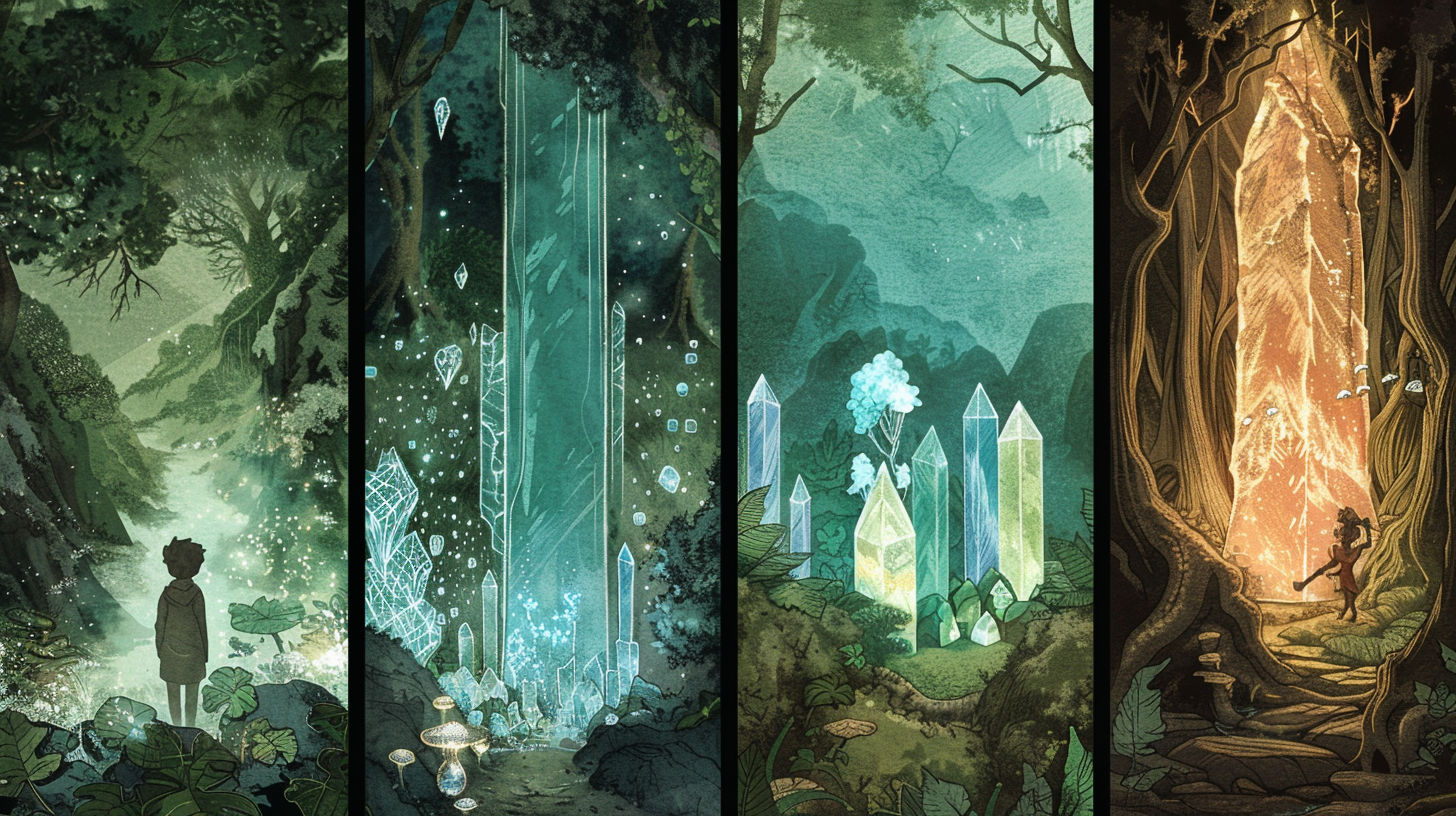
How Nano Banana 2 Improves Character Consistency
Nano Banana 2 introduces several improvements designed to address the character consistency problem.
One key innovation is identity tracking. Instead of generating each image independently, the model learns persistent attributes associated with a character. These attributes may include facial structure, hairstyle, clothing elements, and body proportions.
When the model generates additional images, it references these attributes to maintain the same character identity.
This system allows creators to generate images such as:
- the same character in different poses
- the same character in multiple environments
- the same character across multiple story scenes
By preserving visual continuity, Nano Banana 2 enables AI art workflows that previously required manual editing.
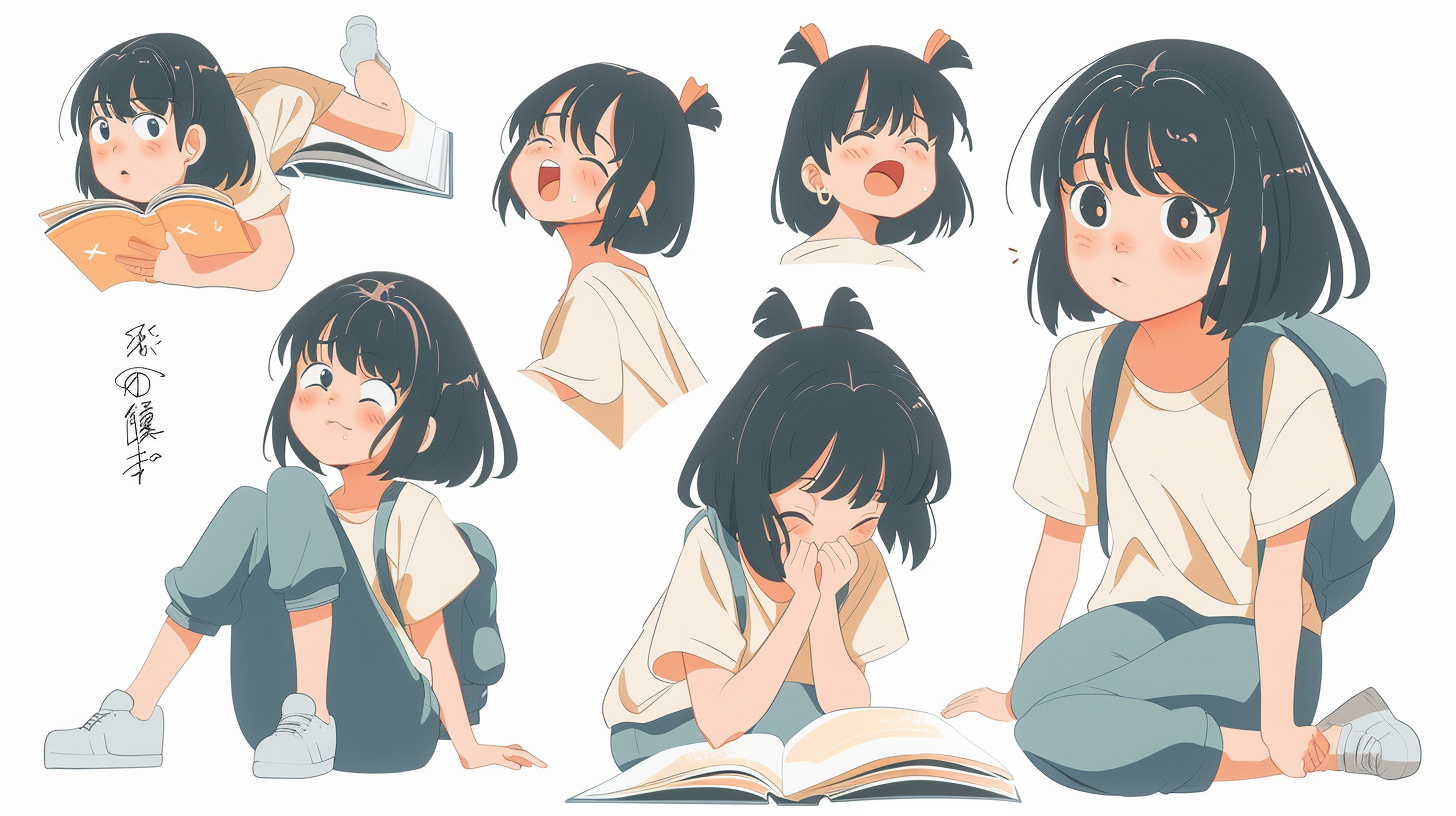
GEMPIX2 Technology Explained
The GEMPIX2 architecture plays an essential role in enabling character persistence.
Traditional image models rely primarily on prompt interpretation and diffusion processes. While effective for generating images, these methods do not explicitly track identity across outputs.
GEMPIX2 introduces an additional layer of identity modeling. The system analyzes the visual attributes of generated characters and creates an internal representation of that character.
This representation allows the model to reproduce the same character features when generating new images. As a result, visual continuity is significantly improved.
For creators working on narrative-driven projects, this capability can dramatically reduce the time required to generate consistent character images.
AI Storytelling with Consistent Characters
Character consistency is especially important in AI storytelling.
Visual storytelling often requires the same character to appear across multiple scenes while maintaining recognizable features. In the past, achieving this with AI-generated images required extensive manual editing.
With Nano Banana 2, creators can generate multiple scenes featuring the same character with minimal adjustments.
For example, a storyteller could generate:
- a hero character exploring a futuristic city
- the same character in a dramatic battle scene
- the same character interacting with other characters
Because the character identity remains stable, the images can function as a coherent visual narrative.
This capability allows AI tools to move beyond single-image generation and into multi-image storytelling.

Character Design for Creators
Nano Banana 2 also expands the possibilities for AI-assisted character design.
Artists and designers can use the model to explore character concepts while maintaining consistent identity. Once a character design is generated, creators can produce multiple variations showing the character in different styles or settings.
Possible applications include:
- game character design
- animation concept art
- brand mascots
- illustrated storytelling
- visual identity development
Instead of redesigning characters for each image, creators can maintain the same visual identity across multiple assets.
Platforms such as aireiter are exploring how these capabilities can support creative workflows that rely on repeated character appearances.
AI Character Creation Workflow
A typical Nano Banana 2 workflow for character generation may involve several steps.
Step 1: Generate the Initial Character
The creator begins by generating a base character using a descriptive prompt.
Step 2: Establish Identity Attributes
The model analyzes the generated character and records important visual attributes.
Step 3: Generate Scene Variations
New prompts can be used to place the character in different environments or poses.
Step 4: Maintain Character Consistency
The model ensures that the character remains visually consistent across all generated images.
This workflow allows creators to generate entire character-driven image sets without extensive manual editing.
Use Cases for AI Character Consistency
The ability to maintain character consistency opens many new creative possibilities.
Some common use cases include:
Digital Storytelling
Authors and visual storytellers can create illustrated narratives using consistent characters.
Game Development
Game designers can rapidly generate concept art showing characters in different scenarios.
Marketing Content
Brands can create visual campaigns featuring the same character across multiple visuals.
Social Media Content
Creators can build recognizable characters that appear consistently across posts.
These use cases demonstrate how character persistence can transform AI-generated visual content.
The Future of Character-Centric AI Art
AI art generation continues to evolve rapidly. Technologies like GEMPIX2 suggest that the future of AI creativity will focus not only on generating individual images but also on maintaining visual identity across multiple outputs.
Future models may offer even more advanced features such as:
- persistent character libraries
- multi-character scene generation
- long-form visual storytelling support
- interactive character design systems
As these technologies develop, AI tools will become increasingly useful for creators working on narrative-driven visual projects.
Platforms such as aireiter are exploring how emerging AI image technologies can be integrated into creative environments that support both rapid experimentation and professional content production.
Conclusion
Nano Banana 2 represents an important step forward in AI art generation. By introducing character persistence through GEMPIX2 technology, the model addresses one of the most significant limitations of earlier AI image systems.
With improved character consistency, creators can generate visual narratives, explore character designs, and produce multi-scene artwork without losing visual identity.
As AI art tools continue to evolve, technologies like Nano Banana 2 will likely play a key role in enabling more sophisticated creative workflows.
For creators exploring the future of AI-generated visuals, platforms like aireiter are helping bridge the gap between advanced AI models and practical creative tools.