
Artificial intelligence is rapidly transforming the way visual content is created. Over the last few years, AI image generation technology has evolved from experimental tools into powerful creative platforms used by designers, marketers, and digital creators around the world.
One of the newest developments in this space is Seedream 5.0, a next-generation AI image generation model designed to help creators turn ideas into visual content faster than ever before. With improved prompt understanding, stronger rendering capabilities, and more flexible creative workflows, Seedream 5.0 is quickly becoming a topic of discussion among creators searching for the best AI image generator in 2026.
This article explores the Seedream 5.0 AI image generator, examining its features, creative potential, and how it fits into the growing ecosystem of modern AI image generation tools.
The Rise of AI Image Generation Technology
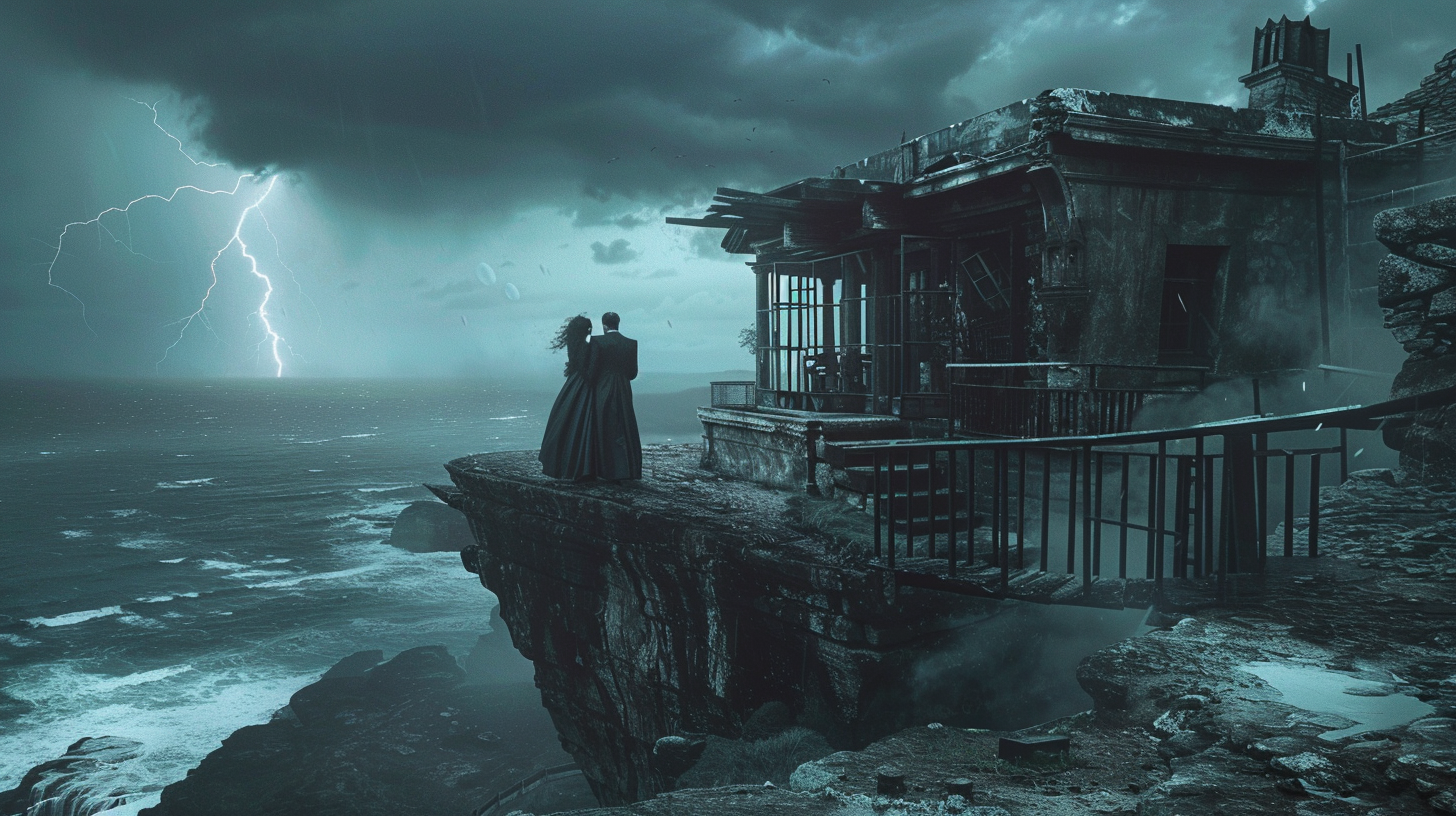
AI image generation has become one of the most exciting developments in creative technology. Instead of manually designing every visual element, creators can now generate complex images simply by describing what they want.
Modern AI image generation tools rely on machine learning models trained on large datasets of visual content. These models analyze text prompts and convert them into images that match the description.
This technology has opened new possibilities for many industries, including:
- digital marketing
- social media content creation
- concept art and illustration
- advertising design
- product visualization
As more creators adopt these tools, the demand for more powerful AI models continues to grow.
What Is Seedream 5.0
Seedream 5.0 is an advanced AI image generation model built to interpret text prompts and transform them into detailed visual outputs. Compared with earlier models, Seedream 5.0 introduces improvements in prompt accuracy, image realism, and generation efficiency.
One of the goals of Seedream 5.0 is to make AI image generation more accessible for creators who may not have technical design skills. By simply describing a scene, users can produce professional-quality images within seconds.
Because of these improvements, Seedream 5.0 is often mentioned in discussions about the best AI image generator in 2026, particularly among creators looking for fast and reliable visual content production.
Key Features of Seedream 5.0
Several features make Seedream 5.0 stand out in the expanding world of AI creative tools.
First, the model focuses on advanced prompt understanding. Many AI image generators struggle to interpret complex prompts accurately, but Seedream 5.0 aims to convert detailed descriptions into structured visual scenes.
Second, the system improves image generation consistency. When creating images that include multiple elements such as characters, objects, and environments, the model attempts to maintain a coherent visual composition.
Another notable feature is the ability to generate visually rich images with balanced lighting, textures, and color depth. These characteristics make Seedream 5.0 suitable for projects that require visually appealing graphics.
Seedream 5.0 Image Generation Capabilities
The core purpose of Seedream 5.0 is to generate images from text prompts. This process is often called text to image generation and has become one of the most widely used AI creative workflows.
With Seedream 5.0, creators can generate many different types of visuals, including:
- photorealistic portraits
- digital illustrations
- cinematic environments
- marketing visuals
- concept art
The model analyzes the prompt, identifies the subject, style, lighting, and composition, and then generates an image that matches the description.
Because of these capabilities, Seedream 5.0 is becoming increasingly relevant for creators who rely on fast visual production.
Prompt Understanding and Creative Control
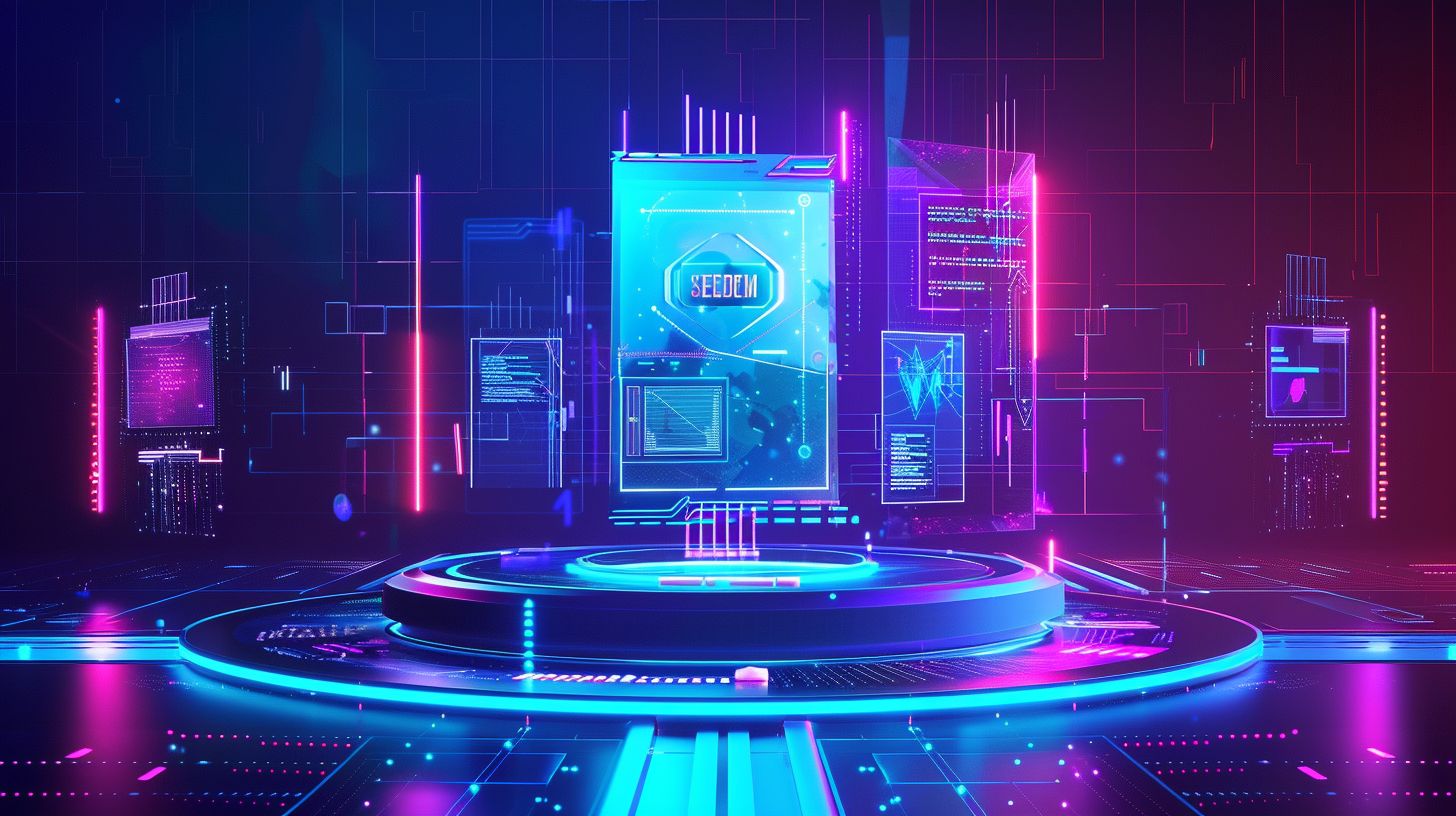
Prompt engineering has become an essential skill for creators using AI image generators. The quality of the generated image often depends on how clearly the prompt describes the desired scene.
Seedream 5.0 attempts to improve prompt interpretation by analyzing context and relationships between elements in a prompt.
For example, if a prompt describes a character standing in a specific environment with particular lighting conditions, the model attempts to organize these elements logically within the generated image.
Better prompt interpretation helps creators achieve results that more closely match their ideas, reducing the need for repeated adjustments.
How Creators Use Seedream 5.0
Many creators use AI image generators as part of their creative workflow. Instead of replacing traditional design tools, these AI models often complement existing creative processes.
For example, a designer might use Seedream 5.0 to generate early concept visuals before refining them in professional editing software.
Content creators may use the model to produce images for:
- blog articles
- YouTube thumbnails
- social media posts
- marketing campaigns
Because AI image generation can significantly reduce production time, it allows creators to experiment with multiple visual ideas quickly.
Seedream 5.0 and Visual Content Creation
Visual content has become one of the most important forms of communication on the internet. Websites, social media platforms, and digital marketing campaigns all rely heavily on compelling imagery.
Seedream 5.0 helps creators generate visual content faster by automating parts of the design process. Instead of building an image element by element, creators can generate a complete visual scene in seconds.
This speed makes AI image generators particularly useful for creators who need to produce content consistently.
Platforms such as aireiter allow creators to experiment with AI image generation tools while exploring different creative workflows. By combining multiple AI models in one environment, creators can discover which tools best match their visual style.
AI Image Generation Workflow
Although AI image generation may appear complex, the workflow is usually straightforward.
First, the creator writes a prompt describing the desired image. The prompt may include information about the subject, environment, lighting, and artistic style.
Next, the AI model processes the prompt and generates an image based on the description.
Finally, the creator reviews the generated image and refines the prompt if necessary. This iterative process allows users to gradually improve the visual output.
Many creators experiment with several prompts before achieving the final result they want.
Why Seedream 5.0 Matters for Creators
The development of models like Seedream 5.0 reflects the rapid progress of AI creative tools. As these systems become more advanced, they enable creators to explore ideas more freely.
AI image generators do not eliminate the need for creativity. Instead, they provide a new way to visualize ideas quickly and experiment with different visual styles.
For creators who produce digital content regularly, tools like Seedream 5.0 can become valuable resources for generating visuals efficiently.
The Future of AI Image Generation
The field of AI image generation continues to evolve at an impressive pace. Each new model introduces improvements in realism, prompt interpretation, and generation speed.
Future AI image generators may include additional features such as:
- interactive editing tools
- real-time visual refinement
- improved character consistency
- higher resolution outputs
As these technologies advance, creators will have access to increasingly powerful tools for producing visual content.
Platforms like aireiter will likely play an important role in helping creators access multiple AI tools while experimenting with different creative workflows.
Conclusion
Seedream 5.0 represents another step forward in the development of modern AI image generation technology. With improved prompt interpretation, strong visual capabilities, and flexible creative workflows, the model offers new possibilities for creators working with digital content.
While no single tool can solve every creative challenge, Seedream 5.0 demonstrates how AI image generators are becoming increasingly capable and accessible.
As creators continue exploring these tools, AI image generation will likely become an even more important part of the digital creative landscape.