
The rapid growth of artificial intelligence has transformed how creators produce visual content. AI video generation tools are now capable of turning simple prompts into dynamic videos within seconds. Among the newest technologies entering this space is Seedance 2.0, a powerful AI system designed for next-generation video creation.
In this Seedance 2.0 review, we will explore how the technology works, what makes it different from other AI tools, and why it is gaining attention in the AI video industry. This Seedance 2.0 analysis will also look at how emerging AI platforms such as aireiter are exploring ways to integrate advanced video generation technologies to help creators produce visual content more efficiently.
What is Seedance 2.0?
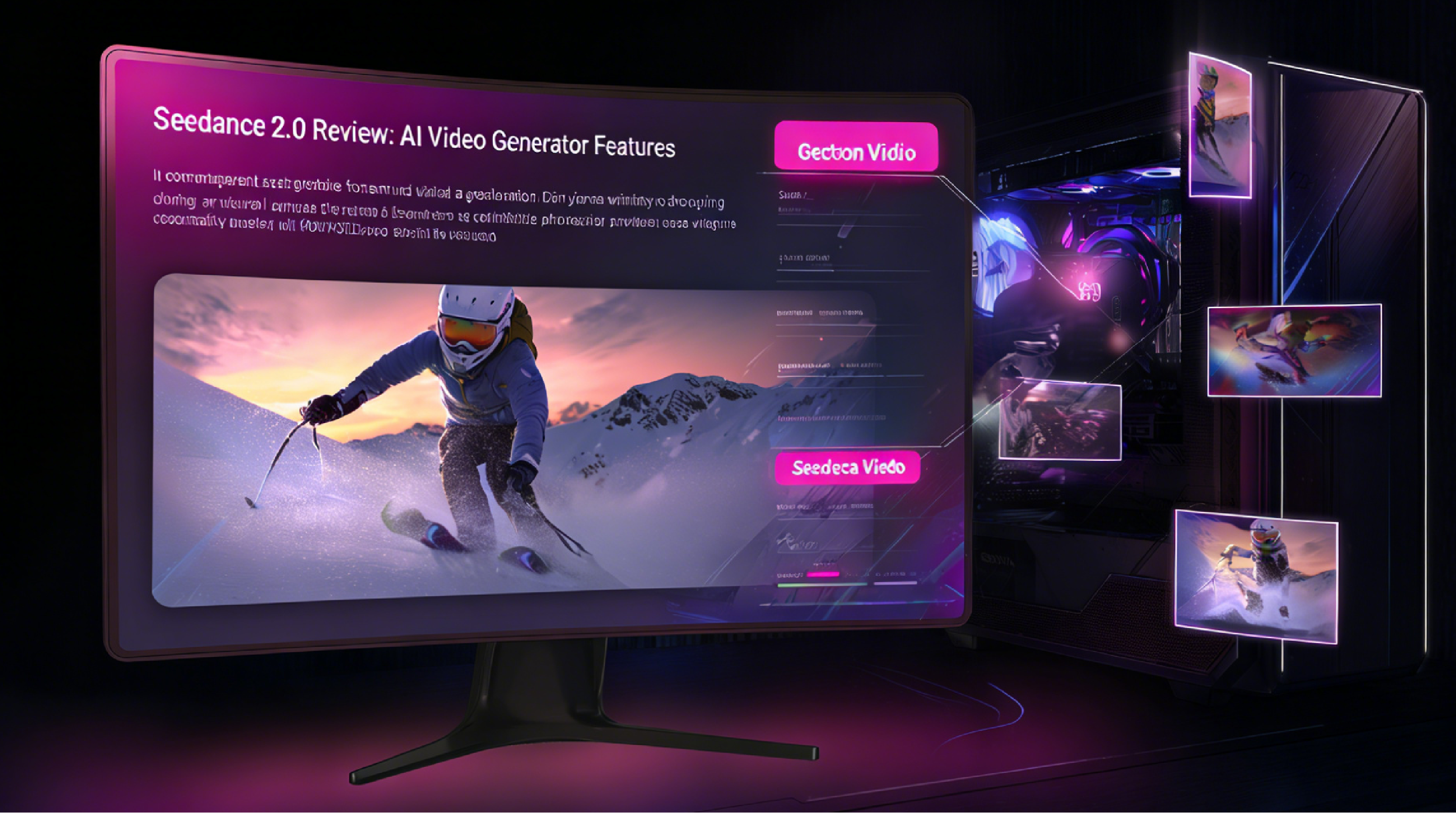
For those asking what is Seedance 2.0, it is an advanced AI video model designed to generate videos from multiple types of inputs. Instead of relying only on text prompts, the system is built as a multimodal AI framework capable of interpreting text, images, and visual references to create coherent video sequences.
The goal of the Seedance 2.0 AI video generator is to simplify video production and make creative tools more accessible. By using artificial intelligence, users can generate scenes, animations, and visual storytelling elements without traditional filming or complex editing workflows.
Platforms such as aireiter are beginning to explore how technologies like Seedance 2.0 can be integrated into broader creative ecosystems, enabling users to experiment with AI-driven visual content and new forms of digital storytelling.
Seedance 2.0 Features
Understanding the main Seedance 2.0 features helps explain why the technology is attracting interest in the AI video generation field.
Multimodal AI Video Generation
One of the most notable capabilities of Seedance 2.0 is its multimodal AI architecture. Unlike earlier AI tools that rely on a single input format, this system can process several types of creative instructions simultaneously.
Examples of supported inputs include:
- text prompts
- reference images
- visual concepts
- scene descriptions
This approach allows the AI to better understand a creator’s intent and produce videos that more closely match the original idea.
For creators working with AI platforms such as aireiter, multimodal generation opens the door to new workflows for producing marketing visuals, storytelling content, and creative experiments.
Seedance 2.0 Text to Video Generation
Another important capability is Seedance 2.0 text to video generation. This feature allows users to generate animated video scenes directly from written descriptions.
For example, a prompt such as:
“A futuristic city filled with neon lights and flying vehicles at sunset.”
can be interpreted by the AI and converted into a short video scene.
Text-to-video technology is becoming increasingly useful for content creators who want to quickly produce visual assets for social media, concept development, or advertising campaigns.
Tools and creative platforms like aireiter can help creators explore how AI-generated visuals may fit into modern content production workflows.
Multi-Shot Scene Consistency
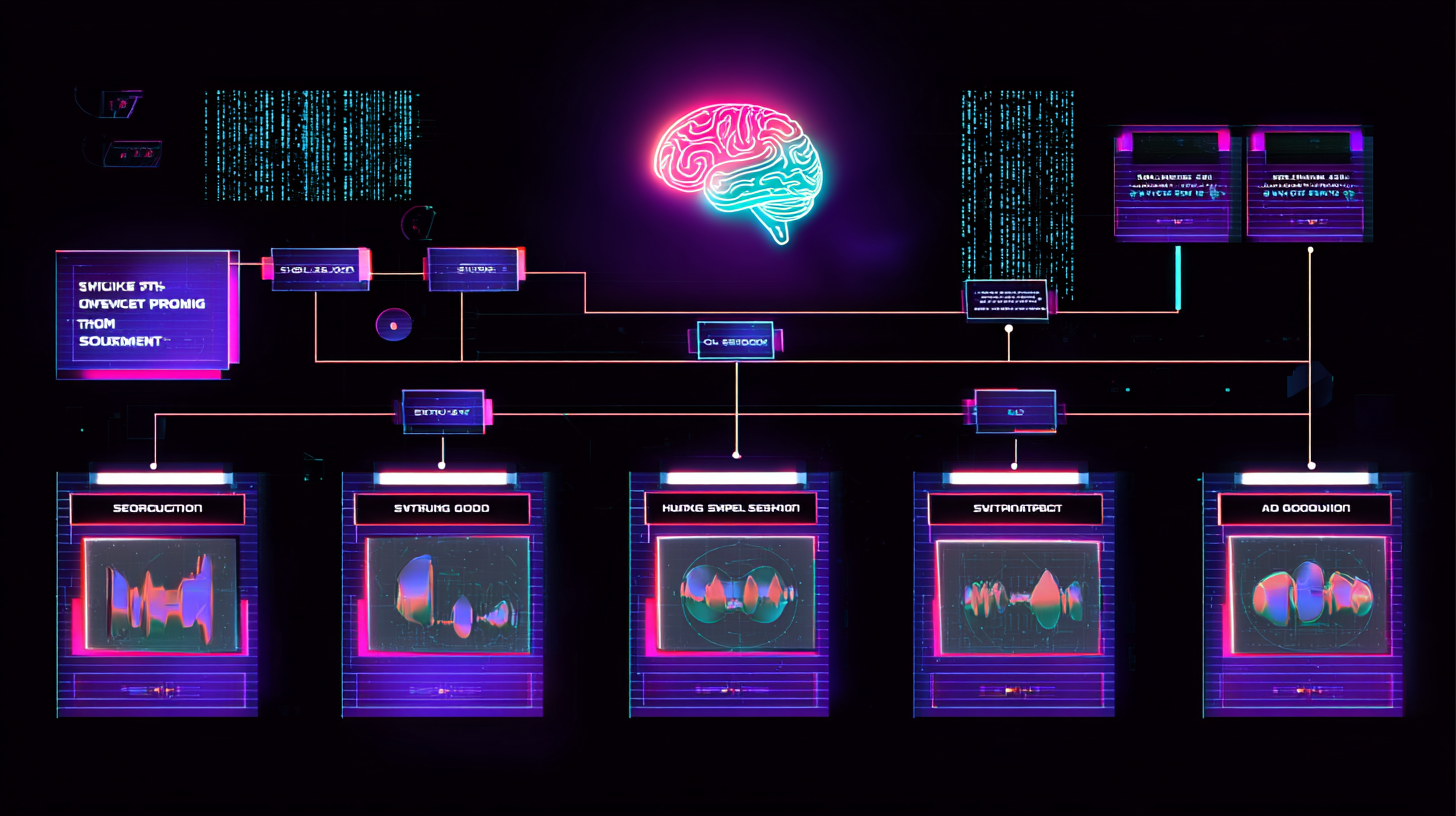
One of the common challenges in AI video generation has been maintaining visual consistency between scenes. Seedance 2.0 attempts to improve this by enhancing how the AI understands environments, characters, and camera movement.
Instead of producing disconnected clips, the system can generate multi-shot sequences that feel more like a structured video narrative.
For example:
Scene 1: a wide landscape view of mountains
Scene 2: a closer shot of a traveler walking through the valley
The AI attempts to maintain visual continuity between both scenes.
This improvement makes Seedance 2.0 video generation more suitable for storytelling and digital marketing visuals.
Improved Motion and Realism
Another highlight mentioned in many Seedance 2.0 AI tool review discussions is the improvement in motion quality and realism.
Earlier AI video models often struggled with unnatural or inconsistent movement. Seedance 2.0 focuses on improving several aspects of video generation, including:
- character movement
- environmental motion
- camera transitions
These improvements help generated scenes appear smoother and more cinematic.
For creators experimenting with AI content platforms such as aireiter, these improvements make AI-generated videos more usable for real creative projects.
Seedance 2.0 AI Video Model Technology
The Seedance 2.0 AI video model is based on advanced machine learning systems designed to better understand complex prompts and convert them into visual scenes.
The model likely integrates technologies such as:
- diffusion-based video generation
- neural rendering systems
- prompt interpretation algorithms
- visual consistency modeling
Together, these technologies allow the AI to interpret creative instructions and generate dynamic video content.
As the AI video ecosystem continues to evolve, platforms such as aireiter are exploring how these technologies can enhance digital creativity and content production.
Seedance 2.0 vs Sora
One of the most common discussions in the AI video industry is the comparison between Seedance 2.0 vs Sora.
Sora is another advanced AI video generation system developed to produce cinematic videos from text prompts. While both tools focus on AI-generated video content, their design goals differ slightly.
| Feature | Seedance 2.0 | Sora |
|---|---|---|
| Input types | multimodal prompts | mainly text prompts |
| Video style | short creative clips | cinematic long-form scenes |
| Focus | flexible video generation | realistic simulation |
| Use cases | marketing, social media | cinematic storytelling |
Both technologies represent important progress in the development of AI video generation systems.
Seedance 2.0 Video Generation Use Cases
The flexibility of Seedance 2.0 video generation makes it useful for many different creative industries.
Social Media Content
Creators can generate short visual clips for platforms such as TikTok, YouTube Shorts, or Instagram Reels without the need for traditional filming.
AI can transform simple prompts into visual scenes that are ready for digital publishing.
Marketing and Advertising
Brands can use AI video generation to create:
- promotional product videos
- animated marketing visuals
- social media advertising content
Creative platforms like aireiter are exploring how AI tools can assist brands in generating engaging visual content more efficiently.
Creative Storytelling
Artists, designers, and filmmakers can also use AI video tools to prototype visual ideas before entering full production.
This allows creators to quickly explore different styles, scenes, and narrative concepts.
Seedance 2.0 AI Tool Review: Pros and Cons
This Seedance 2.0 AI tool review would not be complete without considering both the advantages and limitations of the technology.
Advantages
- multimodal AI video generator
- powerful text to video generation
- improved scene continuity
- helpful for creators and marketers
Limitations
- some generated videos may contain visual artifacts
- complex scenes may still produce inconsistencies
- the technology is still evolving rapidly
Final Thoughts
This Seedance 2.0 analysis shows that AI video generation is entering a new stage of development. By combining multimodal AI, improved motion realism, and more advanced prompt understanding, Seedance 2.0 represents an important step forward in the evolution of AI-driven video creation.
As the technology matures, platforms such as aireiter will continue exploring how these tools can empower creators to generate engaging visual content faster and more efficiently.
The future of AI video generation is still unfolding, but innovations like Seedance 2.0 suggest that