
Artificial intelligence is rapidly transforming the way images are created and edited. With modern generative models, creators can now produce detailed visuals using simple text descriptions instead of traditional design software. One emerging tool attracting attention in the AI creative space is Nano Banana 2.
In this guide, we explore Nano Banana 2 image generation technology, explain the main Nano Banana 2 features, and look at how the Nano Banana 2 AI photo editor helps creators generate and modify images more efficiently. We will also examine the Nano Banana 2 AI image workflow and compare Nano Banana 2 vs Nano Banana Pro to understand how the models differ.
What Is the Nano Banana 2 AI Image Model
Nano Banana 2 is an advanced AI image model designed to generate images from text prompts and edit existing visuals using artificial intelligence. Instead of relying on manual editing techniques, the system interprets written instructions and produces visual results automatically.
The Nano Banana 2 AI image model focuses on making creative workflows easier for creators. By combining AI image generation with automated editing tools, the model allows users to create visuals without needing professional design skills.
Creative platforms such as aireiter are also exploring how AI image models like Nano Banana 2 can be integrated into modern digital workflows, enabling creators to generate visuals faster and experiment with new creative ideas.
Nano Banana 2 Features
Understanding Nano Banana 2 features helps explain why the model is becoming popular among creators and digital artists.
The model introduces improvements in prompt interpretation, image quality, and editing flexibility. These improvements allow users to generate visuals that more closely match their intended descriptions.
Some important Nano Banana 2 features include:
- AI-powered image generation from prompts
- integrated AI photo editing capabilities
- prompt-driven visual creation tools
- support for creative workflows and content production
- improved prompt following for better visual results
These capabilities make the Nano Banana 2 AI image model useful for creators working across many industries.
Nano Banana 2 Image Generation
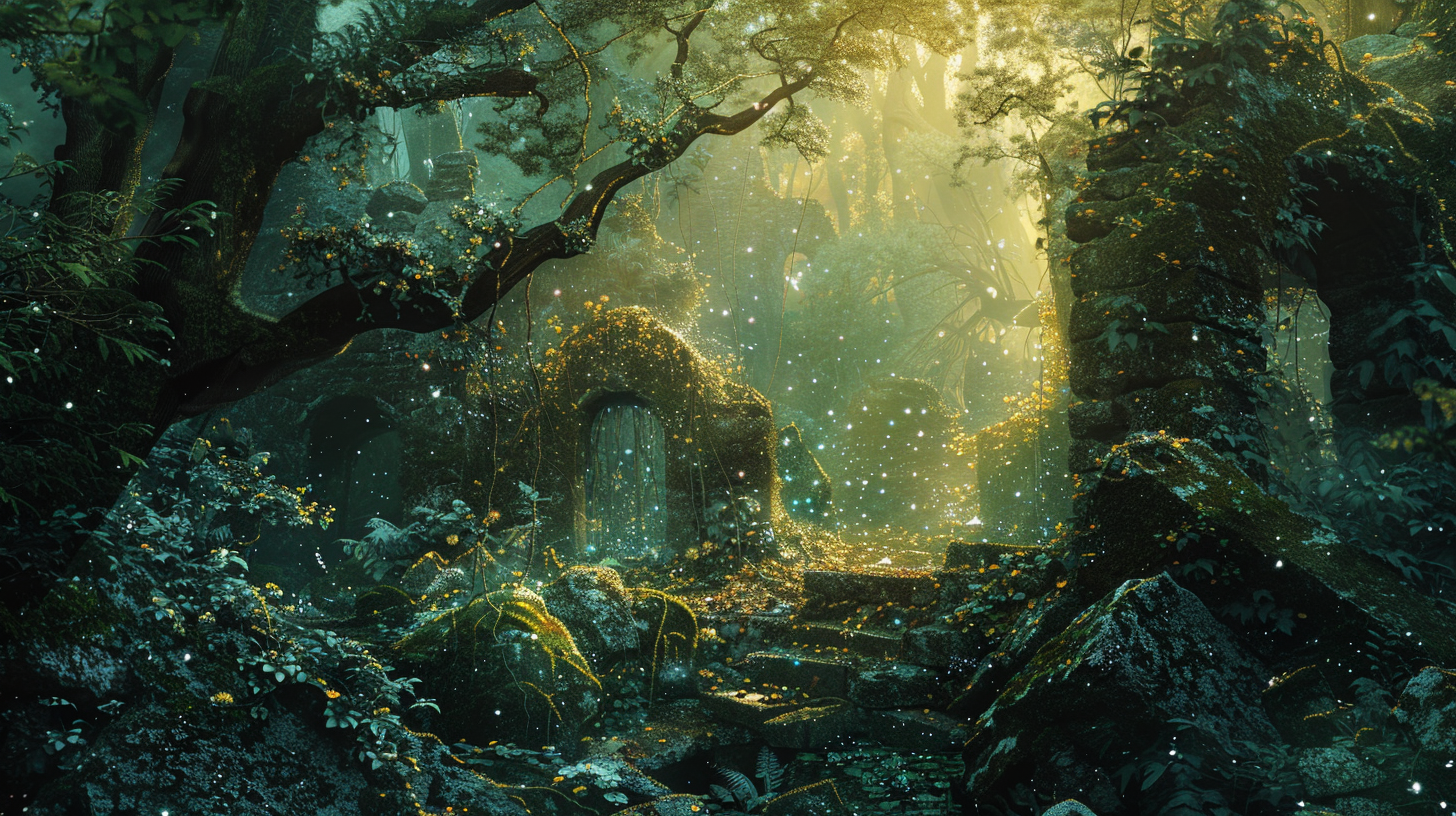
The most important capability of the system is Nano Banana 2 image generation. The model allows users to create images simply by describing a scene using text prompts.
For example, a user might enter a prompt such as:
“a futuristic city skyline with neon lights and flying cars at night”
The AI interprets the prompt and generates an image that reflects the described scene.
Nano Banana 2 image generation can be used for various creative purposes, including:
- concept art
- digital illustrations
- social media visuals
- marketing graphics
By converting prompts into images, the model enables creators to produce visual content more efficiently.
Nano Banana 2 Prompt Generation
Prompt generation is a key component of AI image models. Nano Banana 2 prompt generation focuses on accurately interpreting user instructions and translating them into visuals.
When writing prompts, creators can include details such as:
- environment and location
- lighting conditions
- character descriptions
- artistic style
The more descriptive the prompt, the more accurately the AI can generate the desired image.
Improved prompt understanding allows Nano Banana 2 to produce more reliable visual outputs compared with earlier AI models.

Nano Banana 2 AI Photo Editor
Another important capability is the Nano Banana 2 AI photo editor. In addition to generating images from prompts, the model can also modify existing images.
Users can upload an image and request changes using prompts such as:
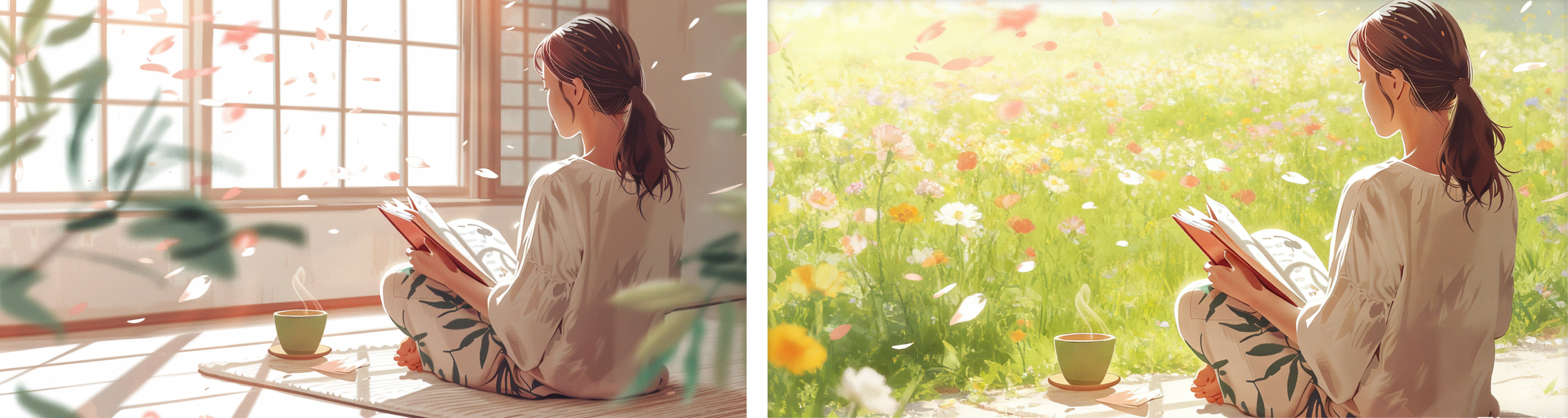
- change the background environment
- adjust lighting or colors
- modify objects within the image
- apply artistic styles
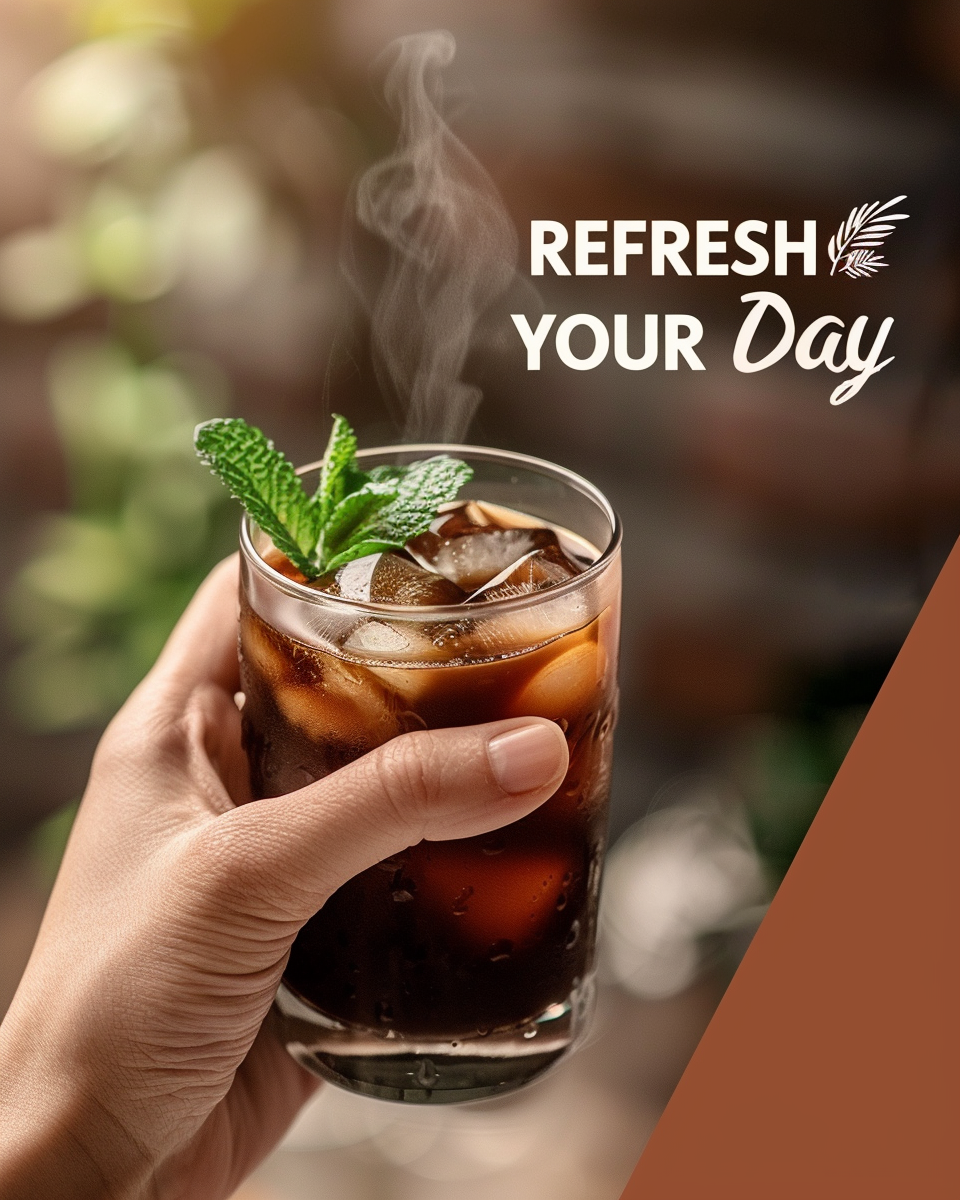
The Nano Banana 2 AI photo editor analyzes the original image and the prompt before generating an updated version of the visual.
AI editing tools like this reduce the time required to modify images compared with traditional editing workflows.
Nano Banana 2 Image Editing Tools
Nano Banana 2 image editing tools are designed to simplify creative processes. Instead of manually editing photos using complex software, creators can use prompts to make changes automatically.
Examples of editing tasks include:
- background replacement
- color adjustments
- style transformations
- visual enhancements
These AI image editing tools allow creators to experiment with different visual concepts quickly.
Platforms such as aireiter are also exploring how AI editing technologies can support digital creators in producing visual content more efficiently.
Nano Banana 2 AI Image Workflow
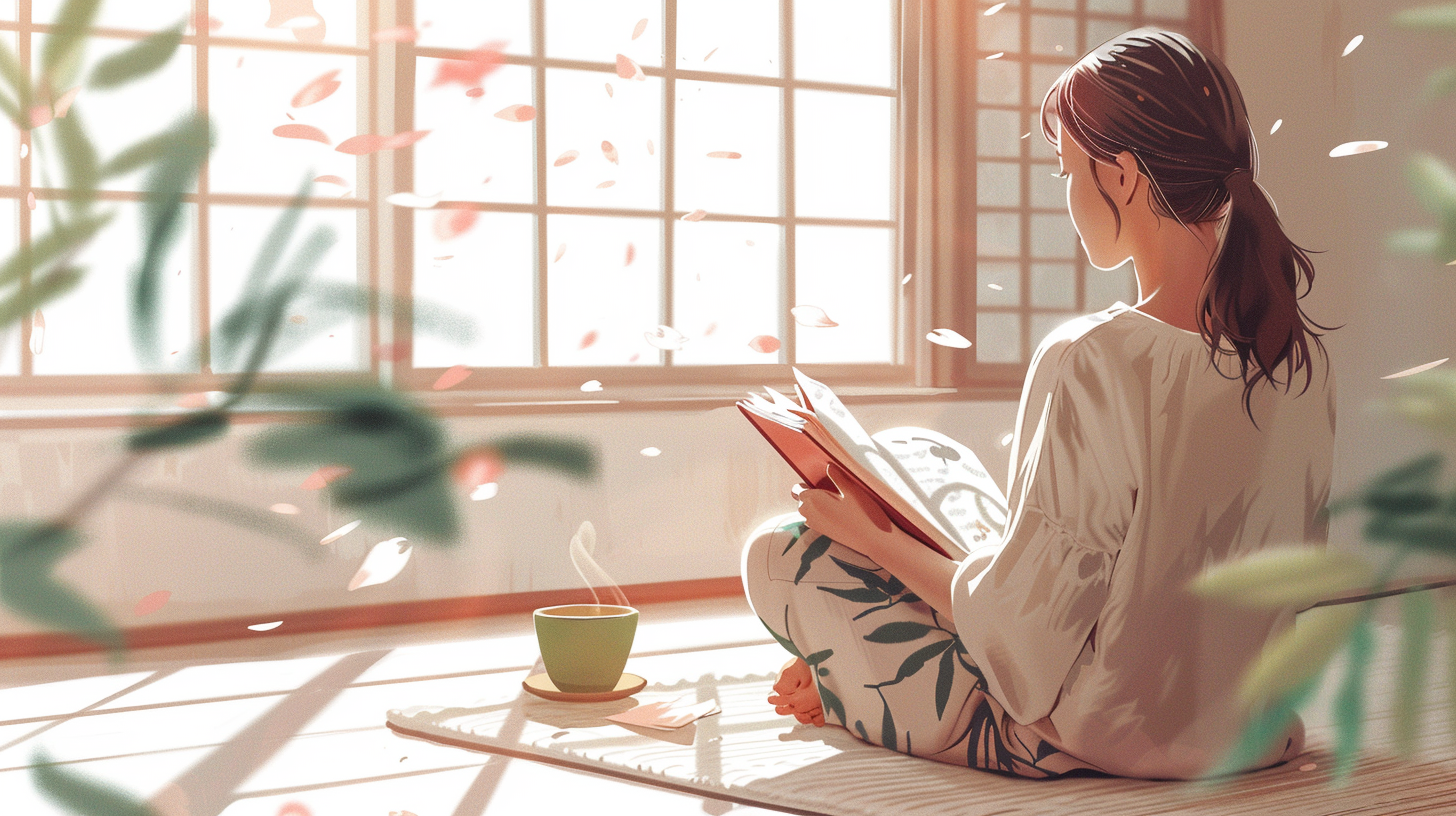
Understanding the Nano Banana 2 AI image workflow can help creators achieve better results when generating visuals.
A typical workflow includes several steps:
Step 1: Write a Prompt
The creator describes the desired image using a detailed text prompt.
Step 2: Generate the Image
The AI model processes the prompt and generates a visual output.
Step 3: Review the Result
Creators evaluate the generated image to see if it matches their expectations.
Step 4: Refine the Prompt
If necessary, the prompt can be adjusted and the image regenerated.
This iterative process allows creators to explore different visual ideas quickly.
Nano Banana 2 Creator Tools
Nano Banana 2 creator tools are designed to help artists, designers, and marketers generate visual content more efficiently.
These tools support various creative tasks such as:
- generating artwork for social media
- creating marketing visuals
- designing concept art
- experimenting with new artistic styles
AI creator tools enable users to focus on creativity while the AI handles the technical aspects of image creation.
Nano Banana 2 How to Generate Images
For creators wondering Nano Banana 2 how to generate images, the process is relatively simple.
- Write a descriptive prompt
- Submit the prompt to the AI model
- Review the generated image
- Adjust the prompt and regenerate if needed
By repeating this process, creators can explore different visual concepts and refine their results.
AI image generation tools like Nano Banana 2 make visual creation accessible even for users without professional design experience.
Nano Banana 2 vs Nano Banana Pro
When comparing Nano Banana 2 vs Nano Banana Pro, the two models focus on slightly different aspects of AI image creation.
Nano Banana 2 is designed to provide efficient image generation and editing workflows for everyday creators. It focuses on accessibility and ease of use.
Nano Banana Pro, on the other hand, often emphasizes higher-end visual quality and cinematic image generation capabilities.
Both models offer powerful AI image tools, but they may appeal to different types of creators depending on their workflow needs.
The Future of AI Image Generation
AI image generation technology continues to evolve rapidly. Models like Nano Banana 2 demonstrate how artificial intelligence can simplify visual creation while expanding creative possibilities.
Future AI image models will likely offer improved realism, better prompt interpretation, and stronger visual consistency across generated images.
Platforms such as aireiter are exploring how emerging AI image technologies can support creators by providing tools that simplify digital content production.
Final Thoughts
Nano Banana 2 represents a new generation of AI image models that combine prompt-driven generation with automated image editing capabilities. By integrating AI image generation, editing tools, and creator workflows, the platform enables users to produce visuals faster and more efficiently.
For creators interested in exploring AI-powered visual creation, the Nano Banana 2 AI image model offers a flexible toolset that can support a wide range of creative projects.
As generative AI continues to develop, tools like Nano Banana 2 will likely become an essential part of modern digital creativity.