
Artificial intelligence image generation has become one of the most exciting creative technologies available today. Instead of relying on traditional design tools alone, creators can now generate complex visuals simply by describing what they want in a text prompt.
As new AI models continue to evolve, learning how to write effective prompts has become an essential skill. For creators using the Seedream 5.0 AI image generator, understanding prompt structure can dramatically improve image quality, realism, and creative control.
This Seedream 5 prompts guide explores how to craft effective prompts, how the Seedream AI prompts system works, and how creators can use different prompt styles to generate professional-quality visuals. Whether you are generating portraits, product photos, or cinematic scenes, mastering prompt writing will help you get the most out of this AI image generation technology.
What Makes Seedream 5 Prompts Different
Every AI image generator interprets prompts slightly differently. Some models focus on artistic interpretation, while others emphasize realism and detail.
Seedream 5 prompts are designed to interpret visual descriptions with a strong emphasis on scene structure and prompt clarity. This means the model performs best when prompts clearly describe the subject, environment, lighting, and visual style.
Instead of writing extremely short prompts, creators often achieve better results by writing structured prompts that include several descriptive layers. For example, prompts that include camera angles, lighting styles, and environment descriptions can produce more visually consistent results.
Many creators searching for the best Seedream prompts quickly discover that the quality of the prompt often determines the quality of the generated image.
How the Seedream AI Prompt System Works
The Seedream AI prompts system analyzes text instructions and converts them into visual elements within an image.
When a user enters a prompt, the model processes several key components of the text:
- subject or main object
- environment or background
- lighting conditions
- visual style
- camera perspective
These elements are then combined to generate an image that reflects the prompt description.
Because of this process, the most effective prompts tend to follow a structured format that clearly communicates the creator’s intention.
For creators experimenting with AI image generation tools, platforms like aireiter allow users to test different prompt styles and refine their creative workflows while exploring how various AI models interpret prompts.
Basic Structure of Effective Seedream 5 Prompts
One of the most useful techniques when writing Seedream AI prompts is using a structured prompt format. Instead of writing a short sentence, creators often combine multiple descriptive layers into one prompt.
A common prompt structure may include:
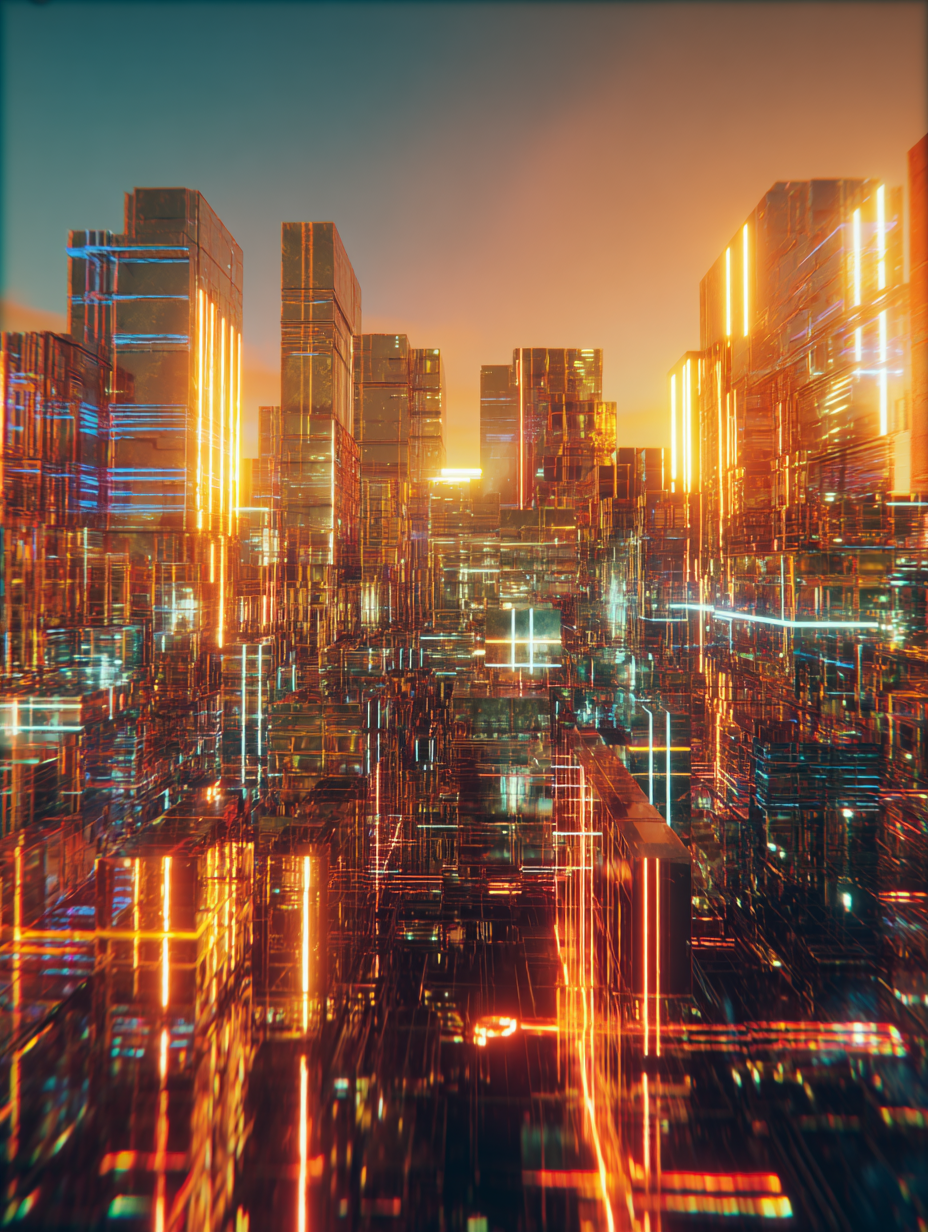
Subject + environment + lighting + style + camera perspective
For example:
“A futuristic city skyline at sunset, glowing neon lights reflecting on glass buildings, cinematic lighting, ultra detailed, wide angle shot”
Using this structure allows the AI model to better understand the visual scene you want to generate.
Once creators understand this structure, it becomes much easier to design prompts that consistently produce high-quality images.
Best Seedream Prompts for Portrait Images
Portrait generation is one of the most popular uses of AI image generators. With the right prompt structure, creators can produce highly detailed portraits with dramatic lighting and professional composition.
Example portrait prompts:
“cinematic portrait of a young woman standing in soft golden sunset light, natural skin texture, shallow depth of field, professional photography style”
“realistic portrait of a futuristic cyberpunk character, neon lights reflecting on metallic clothing, dramatic lighting, ultra detailed”
“studio portrait of a confident business professional, soft studio lighting, modern photography style, highly detailed face”
These types of prompts help the model focus on facial features, lighting conditions, and composition.

Seedream 5 Prompts for Product Photography
AI image generators are also becoming useful tools for creating product visuals and marketing graphics. With carefully written prompts, creators can generate realistic product photography scenes.
Example product prompts:
“luxury smartwatch placed on a reflective black surface, dramatic studio lighting, premium product photography style”
“minimalist product photo of a white cosmetic bottle on marble background, soft natural lighting, high resolution”
“modern tech gadget floating above glowing futuristic platform, cinematic lighting, ultra detailed product render”
These prompts work well because they clearly describe the product, surface, lighting, and photography style.

Cinematic Scene Prompts
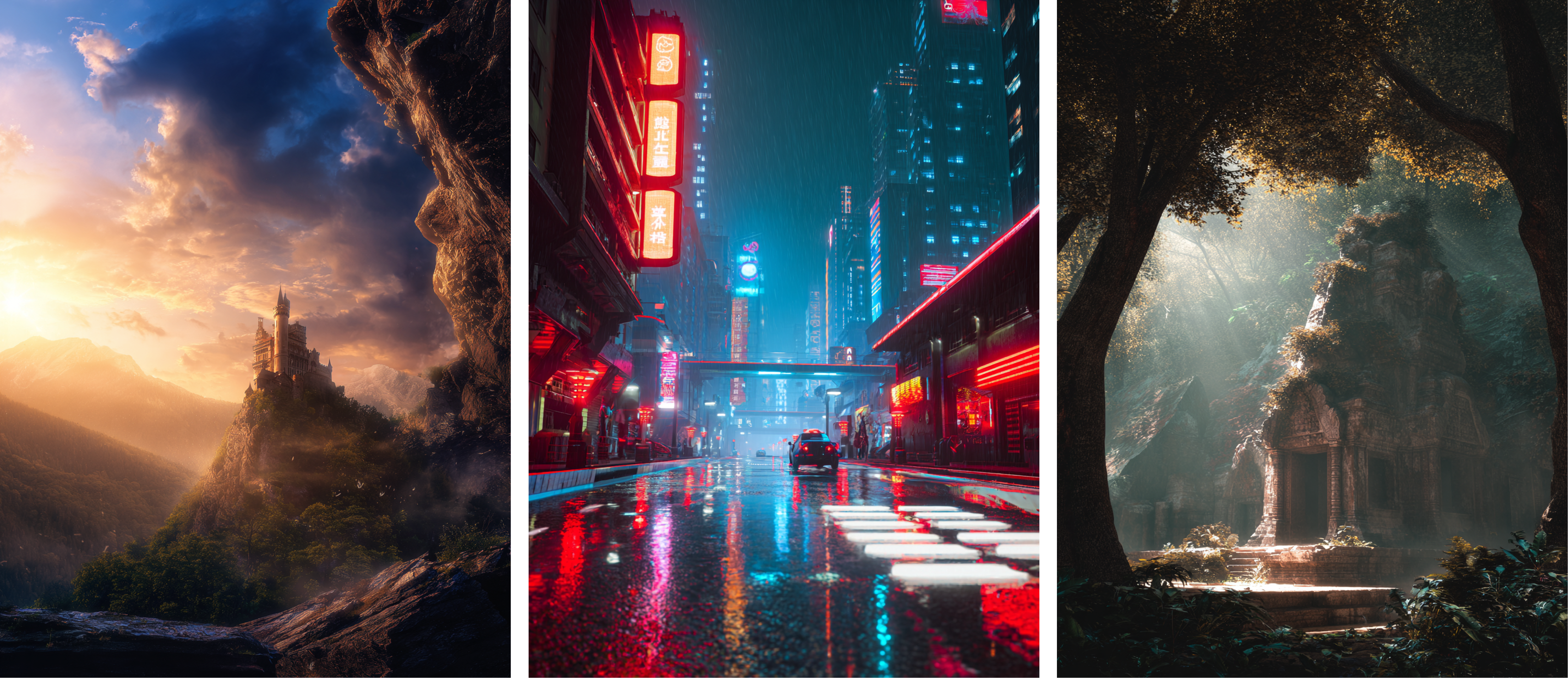
Another powerful use of Seedream AI prompts is generating cinematic environments and storytelling scenes.
Example cinematic prompts:
“epic fantasy castle on a mountain cliff during sunset, golden light shining through clouds, dramatic cinematic atmosphere”
“futuristic city street at night with neon signs and rain reflections, cyberpunk aesthetic, cinematic lighting”
“ancient temple hidden in a jungle with soft sunlight shining through trees, mysterious atmosphere, ultra detailed environment”
These prompts help create visually rich scenes that resemble frames from a movie or game environment.
Poster and Concept Art Prompts
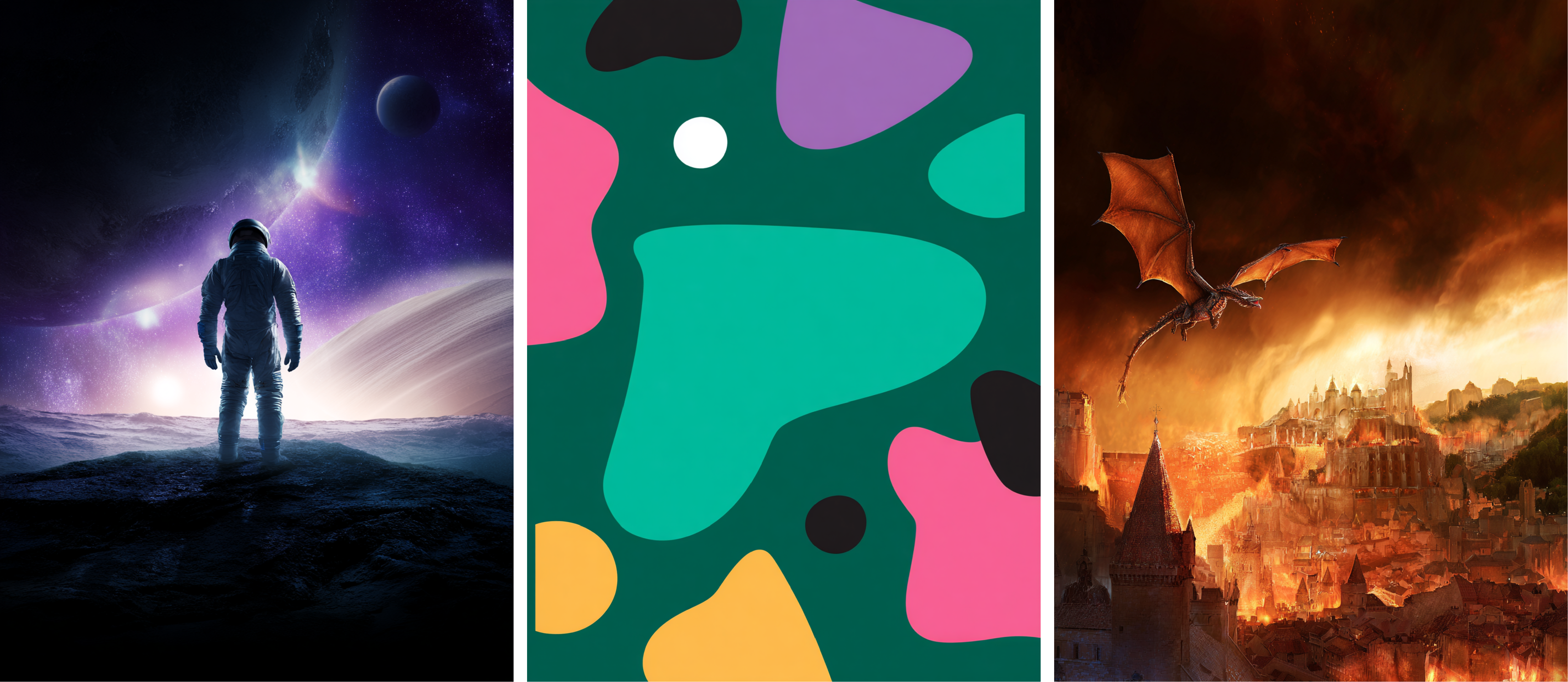
Seedream 5 prompts can also be used to generate poster-style images and concept artwork.
Example prompts for posters and creative artwork:
“futuristic sci-fi movie poster showing a lone astronaut standing on a distant planet, glowing stars in the background”
“minimalist design poster with abstract shapes and vibrant colors, modern graphic design style”
“fantasy concept art of a dragon flying above a medieval city, dramatic lighting and epic atmosphere”
These prompts combine visual storytelling with artistic style instructions.
Tips for Writing Better Seedream AI Prompts
While the examples above provide a starting point, there are several techniques that can help creators produce better results when writing prompts.
First, avoid prompts that are too vague. Instead of writing “beautiful landscape,” it is better to describe specific visual elements such as lighting, environment, and mood.
Second, experiment with different prompt styles. Some prompts may emphasize realism, while others focus on cinematic storytelling.
Third, include visual details that help the model understand the scene. Elements like camera angle, lighting style, and atmosphere often improve the final result.
Finally, testing multiple prompt variations can help creators refine their prompt writing skills over time.
Experimenting With Different Prompt Styles
One of the most exciting aspects of AI image generation is the ability to explore creative ideas quickly.
Creators often experiment with different prompt styles to see how the model interprets visual instructions.
For example, a simple change in lighting description can dramatically change the atmosphere of an image.
A portrait prompt using soft daylight may produce a natural image, while the same prompt with cinematic lighting could create a more dramatic visual effect.
Because of this flexibility, prompt experimentation has become an important part of AI creative workflows.
Platforms such as aireiter allow creators to explore these workflows while testing how different prompts perform across AI models.
Common Mistakes When Writing Seedream Prompts
While writing prompts can be simple, there are several mistakes that beginners often make.
One common mistake is writing prompts that are too short. Without enough visual information, the AI model may generate unpredictable results.
Another mistake is using conflicting instructions. For example, combining very different visual styles in a single prompt may confuse the model.
Creators can improve results by writing clear prompts that focus on one visual concept at a time.
Over time, learning which prompt structures produce the best results becomes an important creative skill.
Why Prompt Engineering Matters for AI Image Generation
Prompt engineering is becoming one of the most valuable skills for creators using AI tools.
As AI image generation technology continues to evolve, the ability to communicate visual ideas through prompts will become increasingly important.
Instead of relying only on traditional design software, creators can now generate ideas, explore concepts, and visualize projects within seconds.
By mastering Seedream 5 prompts and experimenting with different prompt structures, creators can unlock the full potential of modern AI image generation tools.
Conclusion
Learning how to write effective Seedream AI prompts can dramatically improve the quality of AI-generated images.
By understanding prompt structure, experimenting with different visual styles, and refining prompts through iteration, creators can generate stunning visuals using the Seedream 5.0 AI image generator.
Whether generating portraits, product images, cinematic environments, or creative artwork, well-written prompts remain the key to achieving professional results.
As AI image generation technology continues to improve, prompt engineering will remain an essential skill for creators exploring the future of digital creativity.